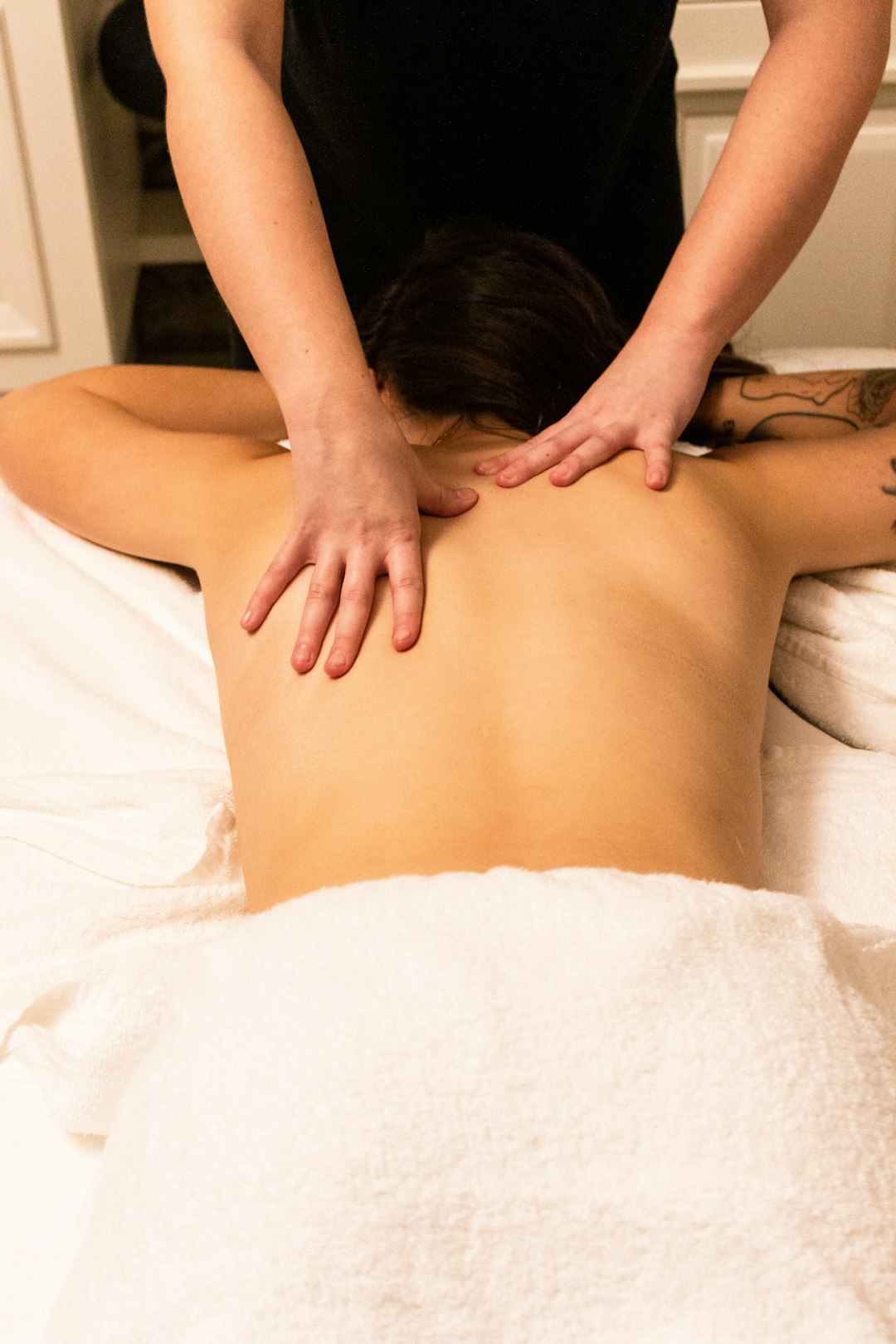
Creating a safe Los Angeles massage spa environment involves implementing robust policies against massage abuse. Key steps include comprehensive consent procedures, client education on reporting mechanisms, legal counsel from a local massage abuse law firm, regular staff training on recognizing and responding to misconduct, and fostering open communication for feedback and complaints, all to ensure client welfare and build trust.
In the competitive landscape of Los Angeles’ wellness industry, establishing a client-centered approach is not just a best practice—it’s essential for business success and client satisfaction. However, navigating the complex web of spa policies, especially in light of issues like massage abuse, can be challenging. This article provides a comprehensive guide tailored to owners and managers of LA massage spas, offering strategic insights to foster a culture of client safety and trust. By implementing evidence-based policies, spas can enhance their reputation, mitigate risks, and ensure every client receives an enjoyable, therapeutic experience—a key differentiator in today’s market, even with the presence of massage abuse law firms in Los Angeles, CA.
Understanding Client Rights and Massage Abuse Law Firm Los Angeles CA

Creating a client-centered approach for your Los Angeles massage spa involves a deep understanding of client rights and the critical role a massage abuse law firm in LA can play in protecting them. According to recent studies, incidents of massage therapy-related abuse—including sexual harassment and assault—are on the rise, underscoring the need for stringent policies and legal protections. A comprehensive policy should explicitly outline client expectations, consent procedures, and clear guidelines for addressing any form of misconduct.
Spa owners and managers must be proactive in educating staff about these policies and empowering clients to speak up. This includes providing easily accessible resources, such as informational brochures or online forms, where clients can report concerns confidentially. Collaborating with a massage abuse law firm in Los Angeles CA can offer specialized legal counsel tailored to your spa’s needs, helping you stay compliant with local regulations and set industry standards for safety. For instance, the law firm can assist in drafting clear consent forms, ensuring that clients understand their rights and the boundaries of each service.
Moreover, regular staff training sessions on recognizing and responding to massage abuse are essential. This includes teaching them to interpret non-verbal cues from clients, handle sensitive situations with care, and report any suspicious behavior. By integrating these measures into your spa’s culture, you create an environment that prioritizes client safety and well-being, fostering trust and encouraging open communication. Remember, a robust policy and legal support from a massage abuse law firm in Los Angeles CA are not just about compliance; they are about ensuring every client receives a therapeutic experience free from harm.
Crafting Policies: Safety, Consent, and Communication Strategies

In crafting policies for a client-centered approach at your Los Angeles massage spa, safety, consent, and clear communication strategies are paramount. These guidelines not only protect clients but also foster trust and ensure every visitor feels respected and secure. For instance, establishing explicit consent protocols before any service is essential; this should include detailed explanations of the treatment methods, expected outcomes, and potential risks, allowing clients to make informed decisions. A massage abuse law firm in Los Angeles CA emphasizes the importance of documenting client signatures on these consent forms for legal protection.
Safety policies must address not only physical precautions but also mental well-being. This includes ensuring a quiet, private environment, providing options for lighting and music preferences, and offering modifications to treatments based on individual needs or discomfort. Educating staff about recognizing signs of distress or potential abuse is critical; they should be equipped with the knowledge to interrupt services and refer clients to appropriate support if needed. For example, training sessions could incorporate role-playing scenarios to enhance staff awareness and responsiveness.
Effective communication strategies are the backbone of a successful client-centered approach. Your spa’s policies should encourage open dialogue between therapists and clients. This includes pre-session check-ins to assess any concerns or changes in health status, as well as post-treatment discussions to gather feedback and address any issues. A culture of active listening ensures that clients feel heard and respected, fostering a safe and nurturing environment. By integrating these policies, your Los Angeles massage spa can create an exceptional experience while upholding the highest standards of client care.
Implementing Physical and Emotional Safety Measures in Your Spa

Creating a client-centered approach requires prioritizing physical and emotional safety measures within your Los Angeles massage spa policies. This is not just a moral imperative but also a strategic decision to foster trust, enhance customer satisfaction, and protect your business from potential legal issues, including those involving massage abuse law firm Los Angeles CA. According to the National Center for Complementary and Integrative Health (NCCIH), an estimated 52% of adults in the U.S. have received a massage therapy in the past year, highlighting the importance of ensuring safe practices.
Implementing robust safety protocols begins with thorough staff training on proper technique and client boundaries. Therapists should be educated about recognizing signs of discomfort or distress among clients, encouraging open communication, and knowing when to refer individuals to medical professionals. For instance, a client experiencing severe headaches during a session might require immediate intervention, and your policies should dictate appropriate steps for such scenarios. Regularly updating staff on industry standards and legal requirements is crucial; this includes being aware of state-specific regulations regarding consent, documentation of treatments, and reporting obligations, with California having stringent guidelines in place.
Beyond training, physical safety measures involve ensuring a clean, well-maintained facility that meets health and safety codes. This includes regular sanitization practices for equipment, common areas, and individual treatment rooms. Consider implementing technology like disposable sheets and covers for each client to minimize cross-contamination risks. Additionally, offering clients private changing areas and securing valuable belongings can contribute to a safe and comfortable environment. An emotional safety net is equally vital; post-session feedback mechanisms, anonymous suggestion boxes, and an open-door policy for addressing concerns create a culture of accountability.
In the event of any unsafe situations or client complaints, having a clear escalation process in place is critical. This might involve an internal review by management, consultation with legal experts, including massage abuse law firms in Los Angeles CA, to ensure compliance, and taking corrective actions to prevent recurrence. By integrating these safety measures into your spa’s core policies, you demonstrate a commitment to client welfare that goes beyond regulatory requirements, fostering a reputation for excellence and ethical practice.
Training Staff: Recognizing and Preventing Massage Misconduct

In creating a client-centered approach for spa policies, particularly within the nuanced landscape of Los Angeles’ massage industry, training staff on recognizing and preventing massage misconduct is paramount. This involves not just teaching technical skills but also instilling a deep understanding of ethical boundaries and client privacy rights. A massage abuse law firm in Los Angeles CA highlights the critical need for such education, citing a 2021 study that revealed a significant rise in complaints against massage therapists related to non-consensual touch and professional misconduct.
Staff training should encompass practical scenarios, role-playing, and open discussions about consent, professional limits, and client expectations. Therapists must be equipped to recognize subtle cues of discomfort or hesitation from clients. For instance, teaching staff to pause and confirm consent before proceeding with deeper pressure techniques can significantly reduce the risk of abusive practices. Regular refresher courses and ongoing dialogue about ethical conduct ensure that professionals remain vigilant and attuned to clients’ needs and boundaries.
Moreover, establishing clear communication protocols is essential. Los Angeles massage spas should implement systems where clients feel comfortable expressing concerns or reporting issues without fear of retaliation. This includes posting visible signage outlining spa policies and providing multiple avenues for feedback, such as anonymous suggestion boxes or digital feedback forms. By fostering an environment that prioritizes client safety and well-being, these measures not only prevent misconduct but also enhance the overall spa experience, instilling trust in clients and ensuring long-term success for the business.
Building Trust: Effective Client Feedback and Complaint Handling

Building trust between clients and massage spa professionals is paramount to fostering a positive, therapeutic environment. A client-centered approach requires active listening, empathy, and responsive communication channels. Effective feedback mechanisms and complaint handling practices are critical tools in this process, enabling spas to address concerns promptly and enhance overall satisfaction. Unfortunately, the sensitive nature of the industry also makes it susceptible to massage abuse, underscoring the need for robust policies and support systems.
Los Angeles, with its vibrant wellness scene, is no exception to these dynamics. A survey by the California Massage Therapy Council revealed that 23% of clients experienced some form of dissatisfaction or discomfort during their spa visits in the past year, with a significant portion of these incidents related to service quality and staff conduct. This data highlights the urgency for spas to implement structured feedback processes and educate staff on handling complaints effectively. A massage abuse law firm in Los Angeles CA has reported a rise in cases involving inappropriate touch, unprofessional behavior, and even sexual harassment, emphasizing the critical need for clear policies and training.
To build trust, spas should integrate multiple feedback channels, such as post-massage satisfaction surveys, open dialogue with clients, and anonymous suggestion boxes. Staff must be trained to respond to complaints with empathy, ensuring every concern is taken seriously. For instance, a client who reports feeling uncomfortable due to inappropriate comments from a therapist should be assured that their feedback will lead to disciplinary action, in line with local massage abuse laws. Implementing these practices not only protects clients but also strengthens the spa’s reputation by demonstrating its commitment to ethical standards and client welfare.